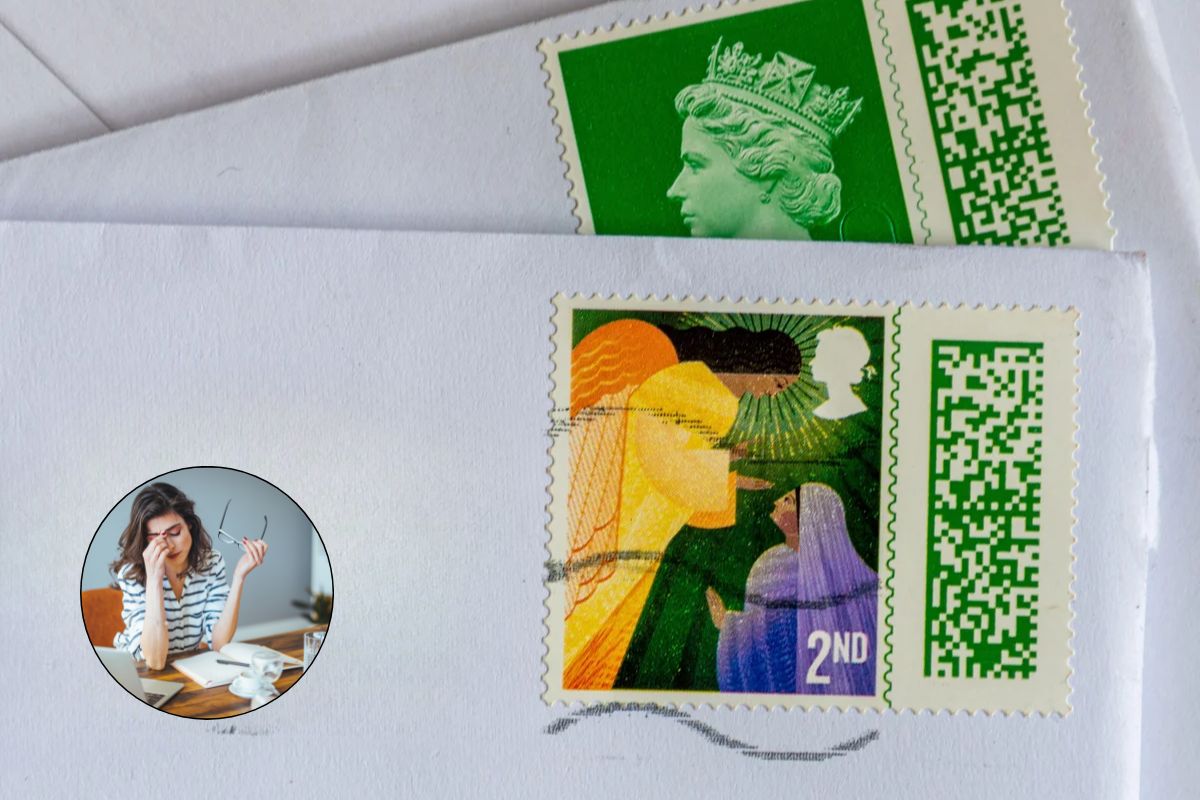
Royal Mail is being asked to consider offering cut-price stamps to people claiming benefits, in what would amount to a “social tariff” for postal services similar to the cheaper mobile and broadband deals already available to those on Universal Credit and Pension Credit.
The regulator has launched a review inviting public feedback until December 5th, with plans to publish a full consultation in the first quarter of 2026, targeting those who face “the greatest challenges in affording to send letters.”
This comes at a rather interesting time given that Royal Mail has hiked stamp prices relentlessly whilst simultaneously gutting service standards under foreign ownership.
The Price Hikes That Created This Problem
Over the past four years, the cost of a first-class stamp has soared from 85p to £1.70, whilst second-class stamps have climbed from 66p to 87p.
These price increases have coincided with Royal Mail’s transition to foreign ownership under Czech billionaire Daniel Křetínský, who completed his £3.6 billion takeover in April and loaded the 508-year-old institution with approximately £5 billion in debt.
For people on fixed incomes or benefits, these price hikes represent a genuine barrier to staying connected with essential services, sending job applications, or simply maintaining contact with family and friends through traditional post.
Ofcom’s own research acknowledges that “some vulnerable customers do experience affordability challenges, especially those on low incomes,” which has prompted the exploration of a targeted discount scheme.
The regulator stated: “A targeted discount scheme for vulnerable customers could provide more help to those who face the greatest challenges in affording to send letters. This approach would be similar to a ‘social tariff’, such as the existing cheaper phone and broadband packages available for people claiming Universal Credit, Pension Credit or other benefits.”
The Timing That Raises Questions
What makes this proposed discount scheme particularly notable is that it’s being floated just months after Royal Mail was slapped with a record £21 million fine for catastrophically failing to deliver letters on time.
The postal giant managed to deliver only 77% of first-class mail and 92.5% of second-class mail within required timeframes during the 2024-25 financial year, falling spectacularly short of its legally mandated targets of 93% and 98.5% respectively.
This marks the third consecutive year Royal Mail has been fined for missing delivery targets, with total penalties now exceeding £37 million since 2023.
Citizens Advice has documented devastating real-world impacts of Royal Mail’s failures, including people receiving council tax bills, court summons for hearings that had already passed, and liability orders all at once because letters weren’t delivered when originally sent.
One customer was sent an eviction notice that still hadn’t arrived more than a week after a copy came from the landlord’s solicitors, leaving them unsure whether the warrant would arrive before the bailiffs turned up.
So whilst discounted stamps would help those on benefits afford postal services, they’d still be paying for a service that currently fails to deliver one in four first-class letters on time.
How the Cut-Price Stamps Scheme Might Work
Ofcom’s early thinking suggests a “targeted discount scheme for vulnerable customers” that would mirror existing social tariffs in the telecommunications sector.
People claiming Universal Credit, Pension Credit, or other qualifying benefits would potentially access stamps at reduced prices, though the specific discount amounts and eligibility criteria haven’t been detailed yet.
The responsibility for implementing any approved scheme would fall to Royal Mail, which will “fully engage with Ofcom on its review,” according to a company spokesperson.
The spokesperson added: “Royal Mail carefully considers prices and seeks to keep them as low as possible while balancing the increasing costs associated with delivering the Universal Service. The delivery of mail involves a complex network of multiple modes of transport and around 80,000 posties to deliver a letter from the Scilly Isles to Shetland for just 87p.”
However, Royal Mail has simultaneously hiked prices, cut Saturday deliveries for second-class post, reduced service frequency, and missed delivery targets for three consecutive years whilst celebrating a return to profit under foreign ownership.
The company reported underlying earnings of £12 million for the year ending March 2025, compared to a £336 million loss the previous year, achieved primarily through service cuts and staff reductions.
The Public Consultation Process
Ofcom is inviting members of the public to share their views on the proposed discount scheme by December 5th, 2025, with a full consultation document planned for early 2026.
The regulator will then need to assess responses, develop detailed proposals, and work with Royal Mail to implement any approved scheme, meaning benefit claimants are unlikely to see discounted stamps before late 2026 at the earliest.
The proposal comes as Royal Mail prepares to approach Ofcom with fresh requests for further cuts to the Universal Service Obligation, according to industry sources, despite the company’s already deteriorating performance standards.
The postal service has already scrapped Saturday second-class deliveries and introduced alternate weekday deliveries for second-class post, changes that Ofcom approved despite widespread public opposition.
What This Means for Benefit Claimants
If the discount scheme eventually gets approved and implemented, it could provide meaningful savings for people on tight budgets who still rely on postal services for essential communications.
However, the timeline suggests nothing concrete will materialise before late 2026, meaning those struggling with current stamp prices will continue facing affordability challenges for at least another year.
The scheme would also need Royal Mail’s cooperation to implement effectively, and the company’s track record of service cuts and missed targets whilst celebrating profits doesn’t exactly inspire confidence in their commitment to supporting vulnerable customers.
For now, benefit claimants can participate in the consultation process and hope that by sometime in 2026, they might get access to cheaper stamps, even if the underlying service continues to deteriorate.
Ofcom’s proposed discount scheme for benefit claimants could provide welcome relief for vulnerable customers struggling with Royal Mail’s relentless price increases, though the earliest implementation date of late 2026 means those facing affordability challenges will wait at least another year whilst paying premium prices for a service that currently fails to deliver one in four first-class letters on time.
Want to know more about delivery companies and how they’re performing?
Check out our courier information section or browse our retailer guides to see which delivery companies your favourite shops are using.