
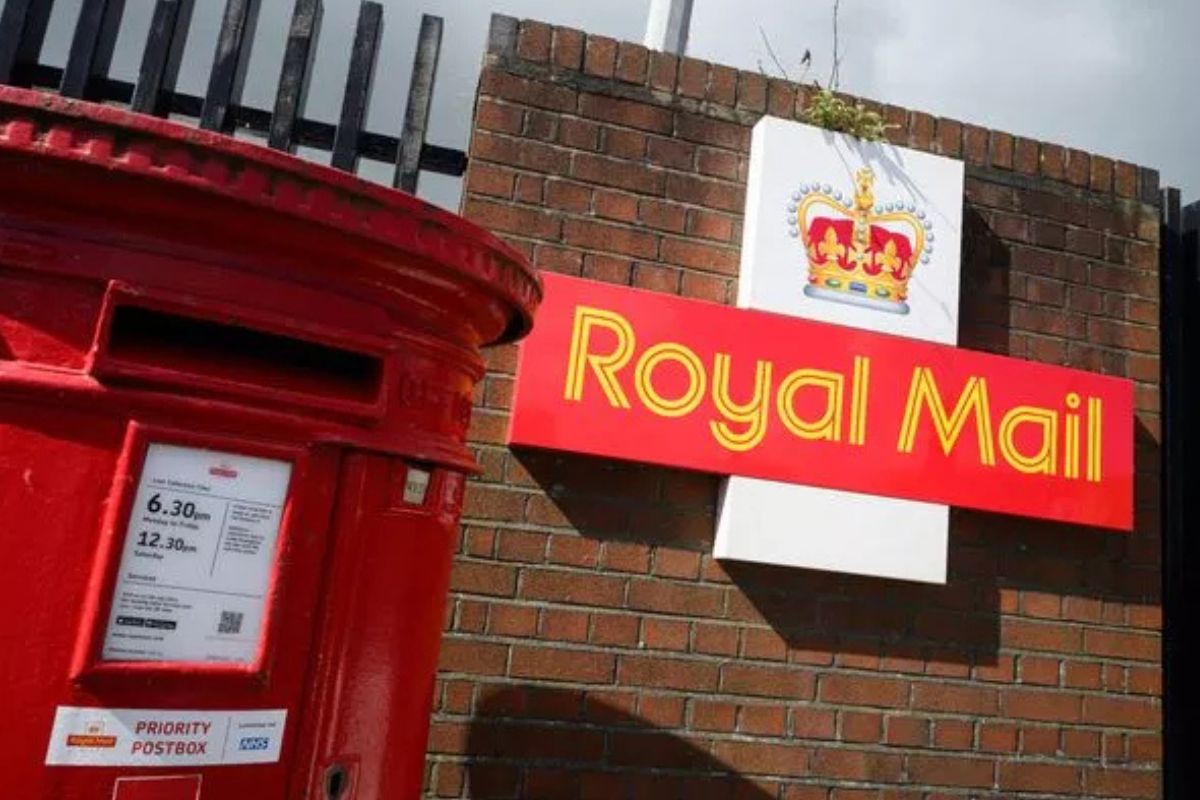
Royal Mail has issued yet another service warning that will surprise absolutely nobody who’s been paying attention to the postal service’s steady decline under foreign ownership, announcing that deliveries to 20 UK postcodes face significant delays due to widespread staff shortages and operational failures.
The latest excuse for poor service comes as the South Midlands Mail Centre failed to process mail “to schedule” over the past 24 hours, affecting parcels and letters posted in the CV, LE, MK, and NN postcode areas that were due for delivery across the UK.
But the problems don’t stop there. Royal Mail has also admitted that “dozens” of local delivery offices are currently struggling with what they euphemistically call “local factors” – corporate speak for the basic inability to staff and run a postal service properly.
The 20 UK Postcodes Left Behind by Royal Mail’s Failures
The Postcodes Left Behind by Royal Mail’s Failures
Royal Mail’s latest service breakdown affects customers in multiple ways, with some areas hit by regional processing delays and others facing local delivery office failures.
Regional Processing Delays (South Midlands Mail Centre):
- CV postcode area
- LE postcode area
- MK postcode area
- NN postcode area
Local Delivery Office Issues:
- CF62, CF63 (Barry)
- OX25, OX26, OX27 (Bicester)
- TN21 (Heathfield)
- WA3, WA12 (Newton Le Willows)
- OX1, OX2 (Oxford)
- CW11 (Sandbach)
- TN20, TN22 (Uckfield)
- PO7, PO8 (Waterlooville)
- N20 (Whetstone)
If you live in any of these areas, congratulations – you’re experiencing first-hand what happens when a 508-year-old public service gets loaded with £5 billion in debt by a Czech billionaire and told to cut costs while maintaining service standards.
Royal Mail’s solution to these widespread failures?
They’re “rotating deliveries to minimise the delay to individual customers” – which translates to making everyone wait longer rather than actually fixing the underlying problems.
The Predictable Pattern of Decline
The timing of these latest delays couldn’t be more convenient for Royal Mail’s new foreign owners, who are already justifying systematic service cuts by pointing to exactly these kinds of operational failures.
With first-class stamp prices now at £1.70 and Saturday second-class deliveries already scrapped, customers are paying premium prices for a service that can’t even guarantee basic delivery schedules across major UK population centers.
The company’s claim that their “air and road network services operated according to schedule” over the past 24 hours is particularly galling when local delivery offices – the final and most crucial link in the postal chain – are failing customers across the country.
Staff Shortages Reveal the True Cost of Privatisation
Royal Mail’s admission that “high sick absence levels” and “resourcing” issues are crippling multiple delivery offices exposes the reality of what happens when essential public services are stripped for private profit.
These aren’t temporary blips or unexpected challenges – they’re the predictable consequences of running a universal postal service with the staffing levels and working conditions of a cost-cutting private company.
The 130,000 Royal Mail employees who were once proud to deliver a public service are now expected to maintain universal coverage while their new owners prioritise debt payments and profit extraction over proper staffing and working conditions.
The End of Reliable Universal Service
For customers in the affected postcodes, this latest round of delays represents more than just inconvenience – it’s further evidence that the Universal Service Obligation that guaranteed reliable postal delivery to every UK address is being deliberately undermined.
When major population centres like Oxford and multiple delivery offices across England can’t maintain basic service standards simultaneously, it’s clear that Royal Mail’s problems go far beyond isolated “local factors.”
The company’s promise to “provide targeted support to those offices to address their challenges” rings hollow when similar excuses have been trotted out for months while service standards continue to deteriorate under foreign ownership.
Want to know more about delivery companies and how they’re performing?
Check out our courier information section or browse our retailer guides to see which delivery companies your favourite shops are using.


