An Amazon driver who shifts up to 350 parcels a day has spoken openly about the three types of customer that drivers across the country quietly cannot stand delivering to, and the list is not the one most shoppers would guess.
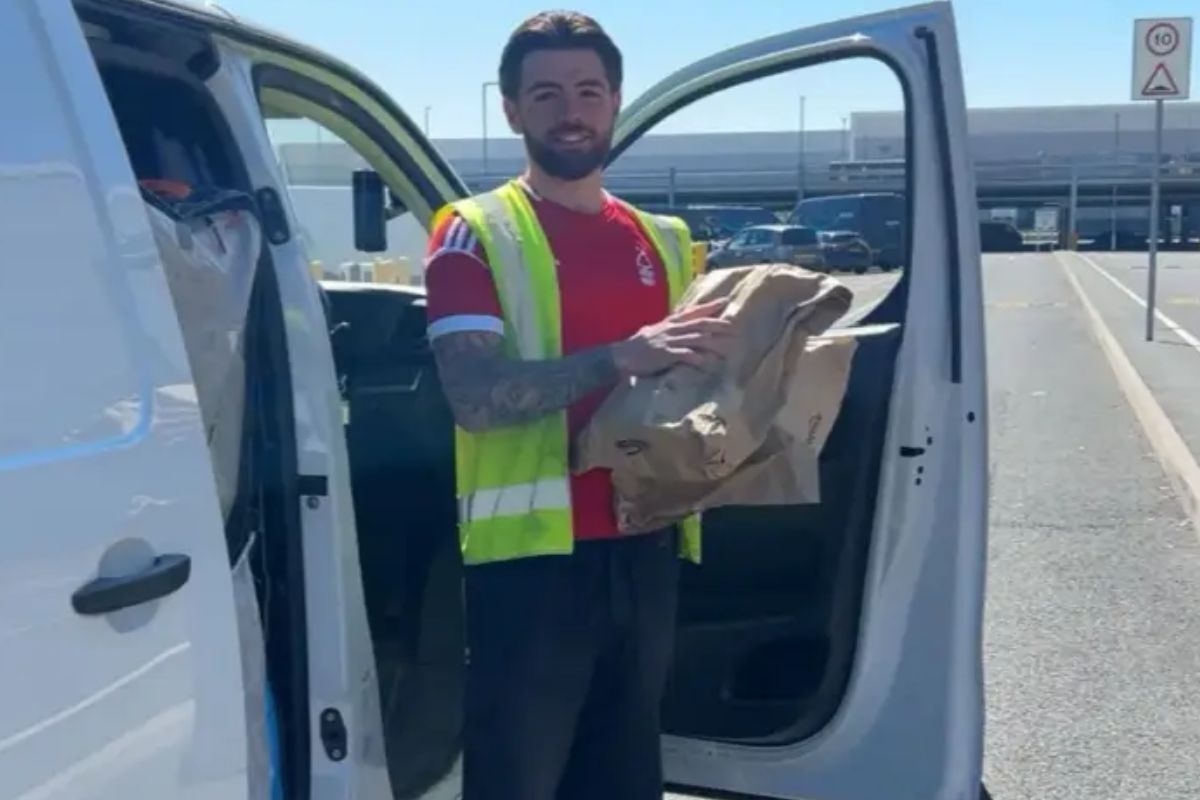
Neo Webb, who runs a standard route of 180 to 190 stops, told LADbible that there is broad agreement among drivers about which customer addresses are the worst to see land on a route map.
“Everyone would agree on that,” he said of one of his picks.
Rude customers don’t make the list.
Difficult dogs don’t make the list.
The three he names are far more mundane, and that is exactly why they grind drivers down.
Worst Types of Customer Delivery According to an Experienced Amazon Driver
3. Schools
Webb puts schools at the bottom of his three, but they still cause problems on a tight route.
Gated entry, the school run, and safeguarding rules mean a driver often has to wait at reception or for a member of staff to come down to collect a parcel.
Plenty of schools order from Amazon, and depending on the time of day, “you’ve got school traffic, which is absolutely horrific,” he says.
“If it’s break time or PE class or children are out, then sometimes you have to wait. Sometimes you have to wait and they come down to you. It can be a bit tricky sometimes, schools.”
Tricky, but not the worst. Webb says schools don’t even crack the “top bracket” of places drivers dread.
2. Flats
This is where Webb says the agreement among Amazon drivers becomes almost universal.
The running joke on the road, he says, is that “no one on the bottom to middle floors ever orders an Amazon parcel, ever. It will always be the person on the top half of the floors.”
The reality on the ground is broken buzzers, irritated neighbours, and clusters of blocks that the route system groups into a single “stop” even though they require separate trips on foot across multiple buildings.
“You go up, you buzz, no one’s answered. Then you’ve got to buzz a neighbour. But then the neighbours are getting all mad at you because you’re buzzing it.”
Flats, Webb says, are “one of the worst places to deliver, and everyone would agree on that.”
1. Town Centres
Webb is unequivocal that town centres are “number one, without a shadow of a doubt. I dread them.”
The route count drops, sometimes to around 100 stops, but everything else gets harder. Parking is a fight. The van itself becomes a target.
Webb says a friend delivering in central Nottingham had his van forced open with a crowbar twice.
The town centre flats are the worst of both worlds. Drivers cannot leave parcels in mail rooms because of the high theft risk, so every door has to be hit individually. “You have to kind of change your approach as well,” he says.
Then there is the foot slog. “You park somewhere and then drag a big bag through the town centre,” Webb says. “Absolute chaos.”
The Maths Behind the Moans
The reason any of this matters is the timing.
Webb is paid £130 a day for a “route” that has to be cleared inside nine and a half hours. On a 350-parcel shift, that works out at roughly 37p per parcel.
Miss the window, he says, and Amazon will “kick you off the app and tell you to bring back whatever you’ve got left.”
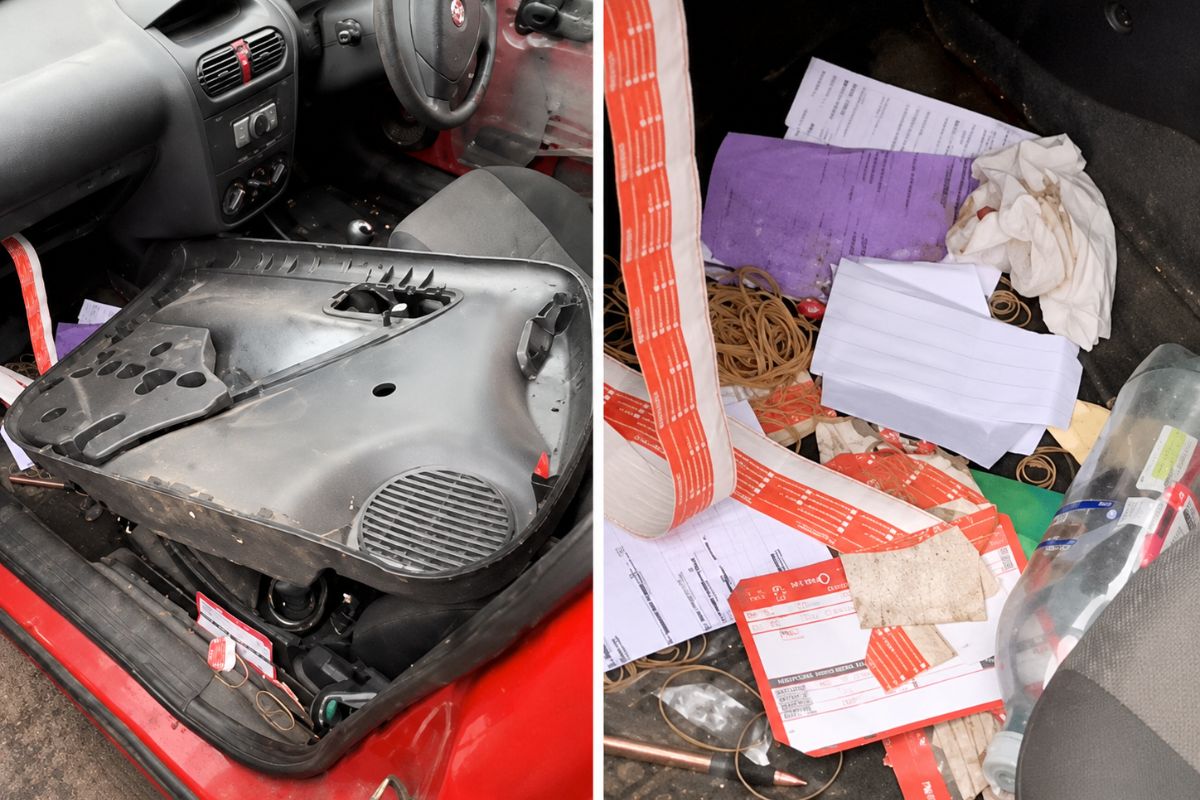
He aims to finish in six hours, which is why he doesn’t take a proper break. “I don’t use the bottle method, I can confirm, I’m not a bottler,” he says, though he admits he has “been in many vans where there’s just sort of bottles of p**s sort of hidden around.”
His own workaround is knowing which pubs on his route have a loo he can nip into.
That is the context for the three stops.
A school that holds a driver up for five minutes at the gate, a flats complex grouped into one “stop” that actually means ten doors across three buildings, or a town centre that forces a driver to park up and walk a bag through the high street, all eat into a day that is already running on fine margins.
It is not that the customers are difficult.
It is that the route is built on the assumption that every stop takes about the same amount of time. These three don’t.
And when the shift has to be cleared inside nine and a half hours, the stops that quietly swallow five or ten minutes are the ones that decide whether a driver gets home on time.